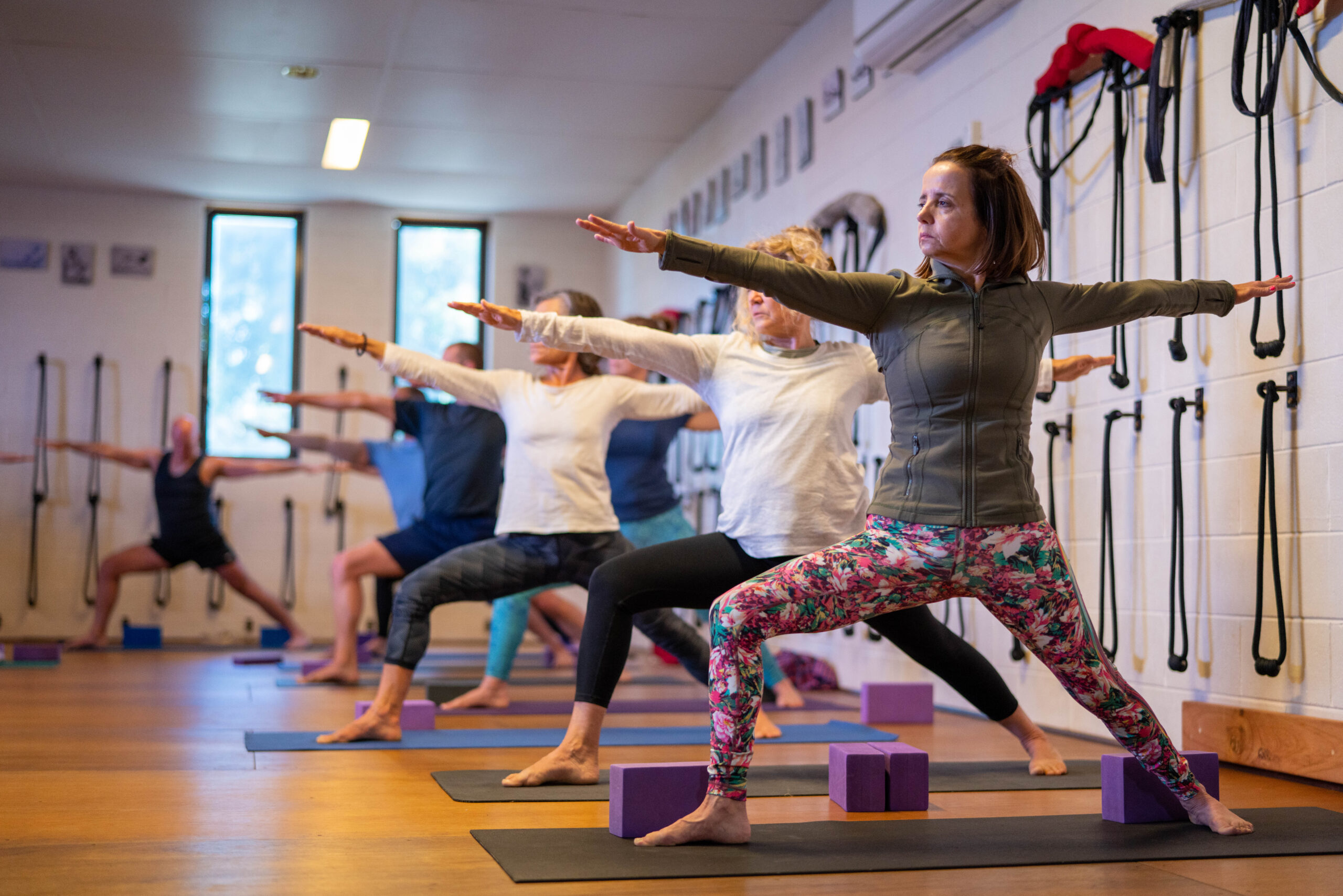
Light-filled and welcoming Yoga West, Shenton Park
Iyengar Yoga classes, Perth
Yoga offers a way of restoring inner peace and mental and physical harmony, uniting body and mind, mind and spirit. It delivers physical fitness and increased energy, with a feeling of well being.
The path of Yoga is a personal search for deeper self-knowledge through the Asanas or Yoga postures and through breathing, relaxation and learning to quieten and focus the mind.
Our studio teaches the Iyengar Method of yoga. Its roots are buried more than 4,000 years deep in the soil of southern Asia. As it has grown, the great tree of Yoga has developed many branches.
Of the many fitness systems popular today, Yoga is by far the oldest, yet the multiplicity of classes and courses available all over the world testify to the relevance of this ancient art in the 21st century.
For over 30 years, Yoga West has been teaching Iyengar Yoga to students of all levels and ages, and certifying Yoga teachers in the Iyengar Practice
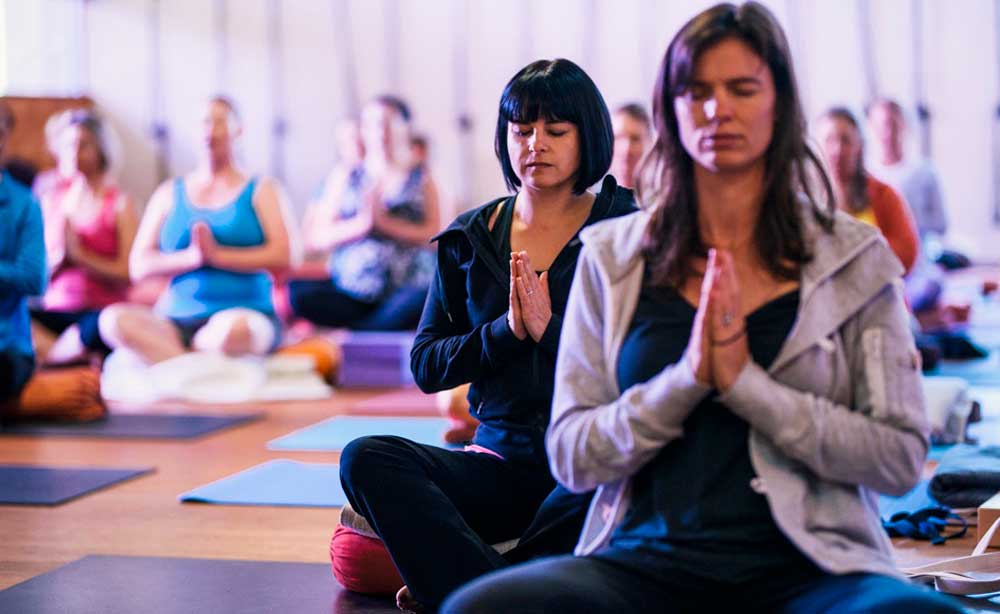
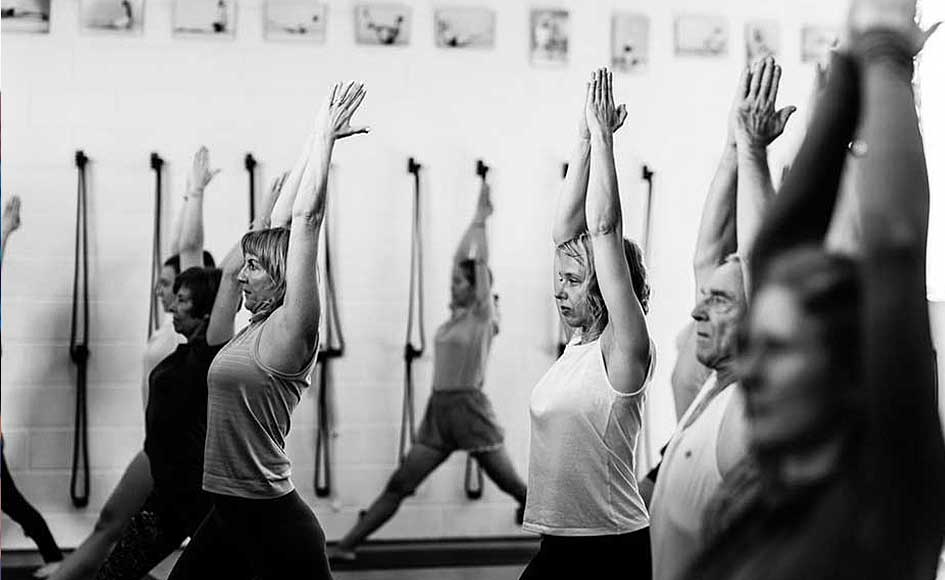
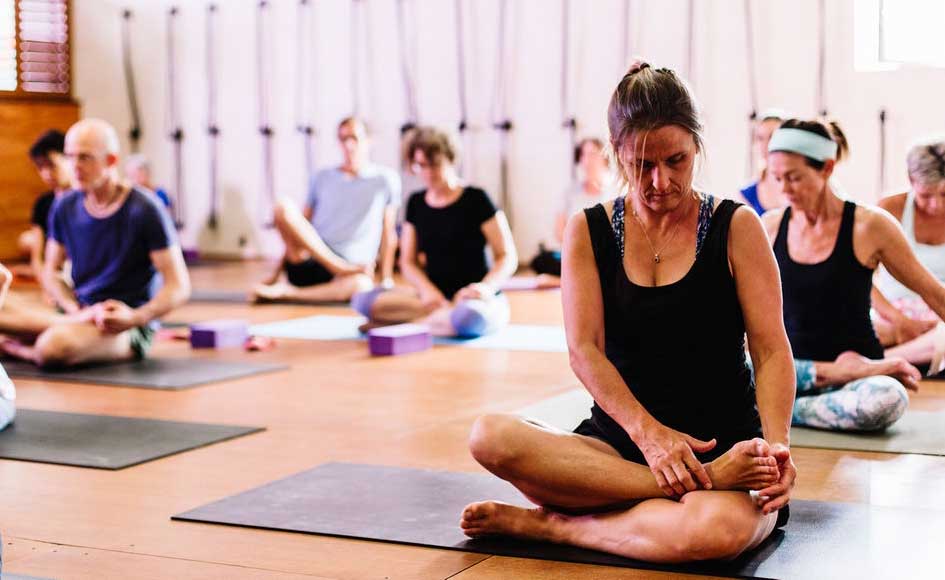



"I stopped yoga due to travel and life getting in the way, about 15 years ago. I've dabbled at a few other schools over the years, and a few other styles of yoga, but nothing was quite like my Iyengar experience.
I made the decision to try Yoga West and enrolled in a Beginner's Course. Although not a 'Beginner', I wanted to approach my new journey and this new chapter with a humble heart. I was also quite nervous about what my (much older) body could still do/not do.
I want to thank the incredible instructors and the School itself for an outstanding level of teaching, facilities and care.
The thought and awareness that has been extended to me in the few lessons I've attended has been simply incredible. I wanted to let all involved know that you have an incredible school there and that the energy, love and careful but (beautifully) challenging teaching is a credit to you all. Thank you so much."
Carolyn
DO YOU HAVE SOME QUESTIONS ABOUT YOGA WEST OR IYENGAR YOGA?
CONTACT US
We would love to hear from you.
For any questions, please contact us via the button below and we’ll get back to you at the earliest time
Find us upstairs above The Good Grocer (IGA), 16/159 Onslow Road, Shenton Park WA 6008